SHARPEVILLE MASSACRE
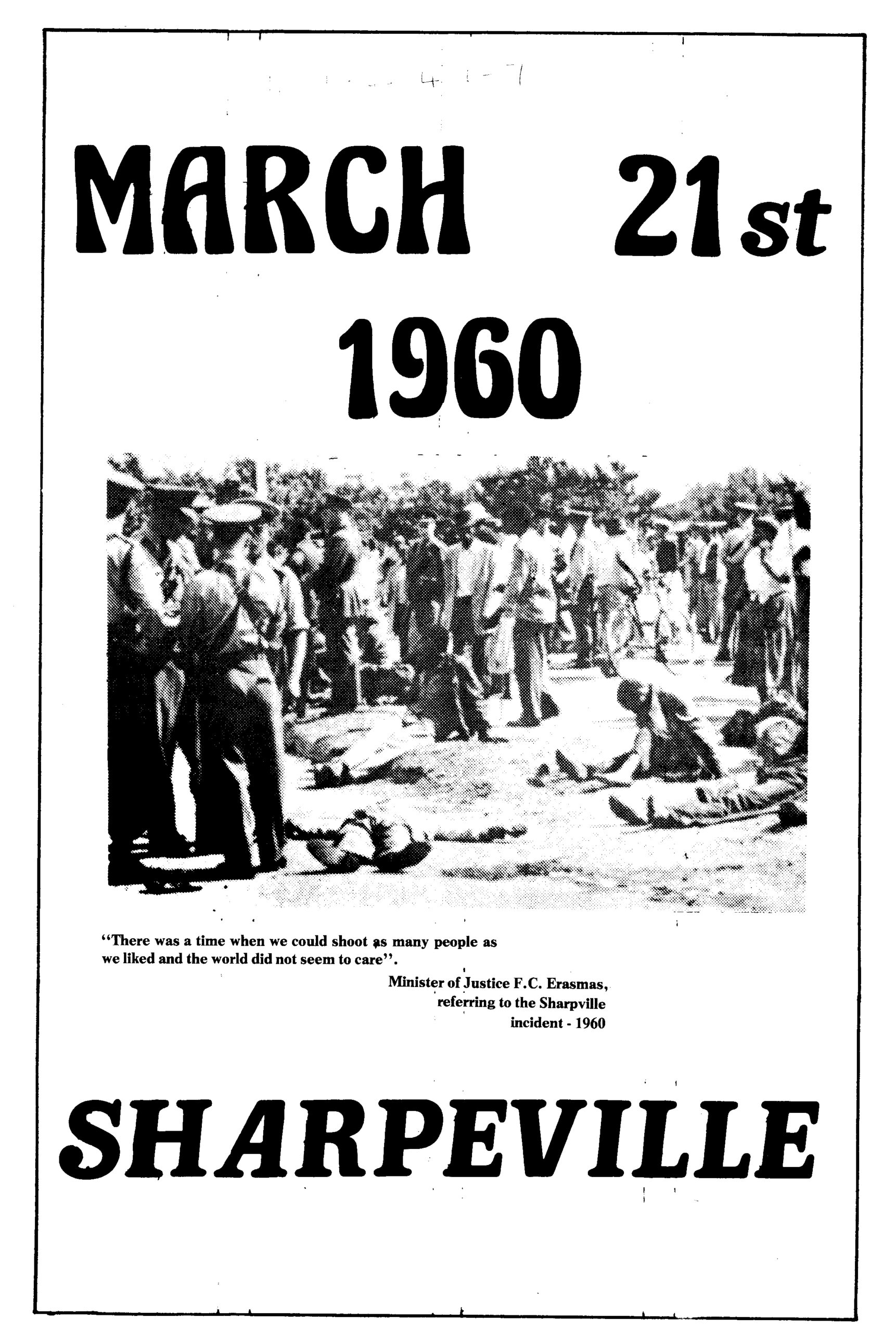
The Sharpeville Massacre of 21st March 1960 took place in the township of Sharpeville in which police fired on a crowd of more than 20,000 black protestors. These events marked one of the first most violent demonstrations of the apartheid era that was prevalent in South Africa. Furthermore, this was a turning point in the struggle for liberation.
Discover the elements of the artifact:
In late 1959, the President General of the ANC, Chief Albert Luthuli, announced that 1960 was going to be the “Year of the Pass.” Through a series of mass actions, the ANC planned to launch a nationwide anti-pass campaign targeting South Africa’s pass law.
The campaign’s slogan was “NO BAIL! NO DEFENCE! NO FINE!”
“There was a time when we could shoot as many people as we liked and the world did not seem to care.” – Minister of Justice F.C. Erasmus
This quotes shows the lack of international attention and sanctions against the apartheid system during that time.
Then, suddenly the police opened fired on peaceful protestors.
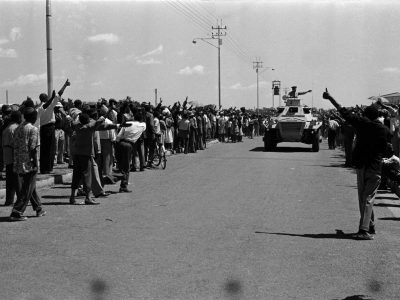
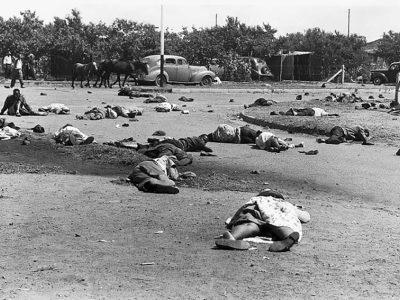
700 bullets were fired.
Mostly of the victims were shot in the back as they fled the violence.
“I tried to look back. People were falling, scattered. There was blood streaming down my leg. I Tried to hobble. I struggled to get home.” – Lydia Mahabuke
Police putting guns and knives in the hands of dead victims, to make it look like the protestors were armed and violent.
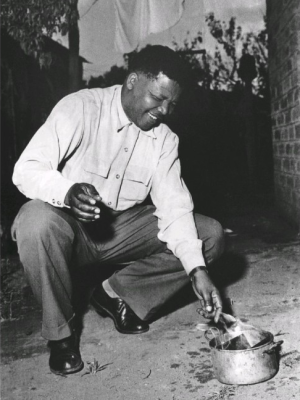
Nelson Mandela burning his pass in solidarity to the Sharpeville massacre. His intention was to initiate a mass pass-burning campaign. But the government clammed down all related protests and banned the African National Congress for thirty years.
The archives comprise of different forms of material categorised in collections of Historical Papers, Audio-Visual, Photographic, and Arts & Artefacts.